I teach courses in rhetorics of science, technology, medicine, and disability; digital and visual rhetorics; rhetorical reading and writing; research methods; technical and professional communication; and usability and user experience. I have mentored undergraduate students in honors capstones and graduate students in master’s student capstones, research projects, and on a doctoral dissertation committee.
Past Courses Taught
James Madison University

WRTC 644 Health and Medical Rhetorics
Introduces theory and research in medical rhetoric, disability rhetoric, health communication, and related areas. Students employ a variety of scholarly lenses, including technical communication, rhetoric, science studies and sociology, to examine the intersections between health and medicine.
WRTC 632 Usability and User Experience (Special Topics Course)
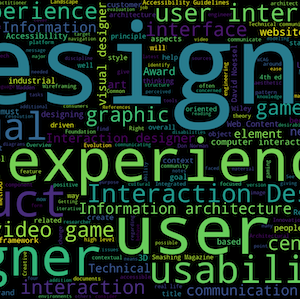
This graduate course provides an introduction to usability and user experience through a community-based learning model. Students explore a variety of research methods and topics including UX writing, heuristic evaluation, journey mapping, personas, and user experience-focused surveys, focus groups, and interviews.

WRTC 488 Writing in the Health Professions
Introduction to the medical field through a community-based learning model. Emphasis is placed on communication within the medical field and the rhetorical principles and writing practices necessary for producing effective texts attuned to audience within human health and medical contexts.

WRTC 458 Science and Medical Communication
Introduction to the context and use of language in scientific and medical disciplines. Emphasis is placed on understanding the rhetorical nature of scientific discourse.

WRTC 426 Food and the Healthy Body (Special Topic)
In this course, we examine the cultural rhetorics of food and the construction of health, healthy and able bodies, and healthy eating. To prompt our class discussions and writing, we read a selection of historical texts and scholarly and popular writing, as well as consider the visual and material rhetoric of audiovisual media like infographics, social media, and film and television clips.
WRTC 328 Practicum: RhetTech Editors
Students serve on the RhetTech Editorial Board and, under the guidance of the faculty advisor, work to promote, publish, and share research and scholarship created by undergraduate students working in writing, rhetoric, and technical communication across the country and beyond.

WRTC 316 Research Methodologies in Writing, Rhetoric, and Technical Communication
This core major course explores a variety of methods of inquiry including specific research methods, research in workplace contexts, theoretical perspectives in the field, and the dynamic nature of language in relation to research and knowledge creation. Topics also include what is considered knowledge in WRTC, the importance of researcher positionality, and legal and ethical concerns in research.

WRTC 103 Rhetorical Reading and Writing
First year writing course that teaches students how to write effectively in new situations. By practicing reading and writing as rhetorical activities, students learn how to explore and research topics; design writing for diverse audiences, purposes, and occasions; and use feedback to improve their writing.
Arizona State University

TWC 422/522 Social Media in the Workplace
Combined graduate/advanced undergraduate course exploring rhetorical strategies for using social media in workplace situations, including how different social media meets the needs of different audiences and communities, and consideration of intellectual property, copyright, justice, and ethics.
TWC 414/514 Visualizing Data and Information
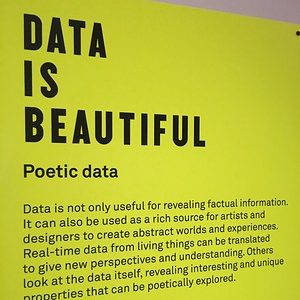
Combined graduate/advanced undergraduate course on data management and use of software tools to communicate patterns and tell visual stories, as well as how to make ethical choices in visualization design and delivery in ways that assist audiences to effectively access and process information.

TWC 411/511 Principles of Visual Communication
Combined graduate/advanced undergraduate course on using design principles, rhetorical knowledge, and tools of visual communication in print and electronic media, with an emphasis on document design, including typography and color, as well as basic web design and accessibility/usability concerns.
University of Minnesota

WRIT 3577W Rhetoric, Technology, and the Internet
Advanced undergraduate course examining the influences that technology and the internet have in the world and our lives, using rhetoric as a framework for thinking about how people communicate with, through, and about technology. Considers how positionality, privilege, and power are embedded in conceptions of technology and technology use.

WRIT 3562W Technical and Professional Writing
Advanced writing-intensive undergraduate course covering the fundamentals of workplace writing, including composing common genres, explaining complex technical information to different audiences, rhetorical analysis and strategies, designing visual and verbal information, and considering ethical implications and the ways knowledge, power, and human activity impact writing.

WRIT 3029W Business and Professional Writing
Undergraduate course exploring communication within and among organizations to promote business, including persuasive communication that supports new proposals, products, or grants. Approaches business writing as grounded in the rhetorical situation, or an understanding of audience, purpose, context, and ethical implications of communication.

WRIT 1301 University Writing
Intensive first-year writing course on the fundamentals of academic writing. Approaches writing as a flexible and fluid revision-based process anchored in understanding and responding to rhetorical situations. Prepares students with a set of flexible skills that will help them approach each writing situation prepared to assess and address the unique aspects of that scenario.